
A good strategy brings coherence and purpose to what an organisation does. Business communicators must convert strategic ideas into everyday meaning that is clearly understood and motivates employees.
In order to do this effectively you need to understand what strategy is and how it functions, be able to convert often abstract strategic ideas into clear messages, and be able to develop a comms strategy that mirrors and amplifies your organisation’s strategic intent. You also need to be able to put all of this into practice.
Strategic Communication: Making Strategy Happen - split over two highly interactive sessions - will provide attendees with the knowledge and skills they need to steer through the strategic maze and deliver clear, concise and strategic communications.
The course will equip participants with the understanding and skills they need to convert strategy into communications actions; play a role in strategy formulation and development; and the ability to prepare and implement their own communications strategy.
The course includes group work, meaning participants can work and learn together during and between sessions, and they will also have the opportunity to have a one-to-one post course session with the course leader to address specific issues that they may face.
Who should attend?
This course is ideal for communications specialists seeking a broader understanding of organisational strategy. It will help those facing major strategy change or perturbation shape their communications to deliver their outcomes.
It links to the strategic planning, business acumen and understanding people and cultures competencies of the IoIC profession map at levels 3 & 4.
Learning objectives
By the end of the course, delegates will:
- Plan and align your communications within your organisation's overall strategy
- Discover how to ensure your communication approach matches strategic intent
- Plan your interventions so that they enforce strategic messages
- Measure the outcomes in terms of achieving strategic intent
- Communicate strategic direction within different cultural settings
The course will cover:
Part One (29th January, 9:30 - 13:00)
- What we mean by the term strategy?
- Introduction to the different concepts involved in strategic thinking.
- What is the relationship between strategy and communications?
- How do companies manage their strategic communications?
- Starting to prepare your own communication strategy.
- A Workplace Activity
Part Two (5th Feburary, 9:30 - 13:00)
- Practical issues relating to preparing a communication strategy.
- Organisational culture and how it relates to communication strategy.
- The importance of measurement.
- The need to maintain staff involvement and their active contribution.
You will also be given the opportunity to book a 20 minute one-to-one session post-course with the trainer to discuss anything you would like to explore further.
Additional benefits
Additional benefits include:
- Pre and post course access to Canvas, the IoIC's online learning environment, where you will find all course materials and be able to engage with their fellow participants through forum discussions
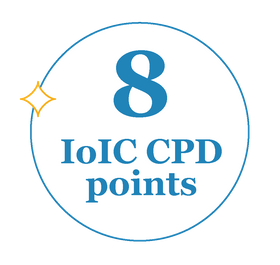
- Eight CPD Points for IoIC Members
- A network of like-minded professionals to connect with and learn from
-
Places are strictly limited to ensure every participant gains the support and guidance they need, and to facilitate maximum opportunity for interaction, connection and engagement
- The opportunity for a 20 minute one-to-one post-course session with the trainer.
Please note that we use Zoom and Canvas: The Learning Management Platform for our online courses. Please ensure that you are able to access these systems where you are based before booking your place. All times are in GMT.